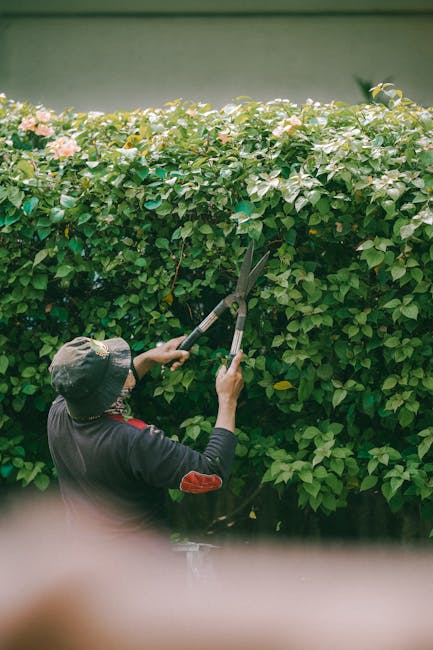
Hedge Trimming in Brimsdown

Regular hedge trimming in Brimsdown helps keep boundary planting neat, healthy and easier to manage through the seasons. Our work focuses on cutting back overgrowth, shaping hedges with care and keeping growth under control without stripping away the structure that gives a hedge its value. Whether the hedge is part of a front garden, a rear boundary or a longer run along a property line, the aim is a tidy finish that supports the plant rather than forcing it into an unnatural form.
We handle hedge trimming as a practical garden service for homeowners and other property owners who want clear, even results. That can include light trimming for maintained hedges, more substantial reduction where growth has become uneven, and careful cutting to keep access routes, paths and entrances open. If you want to compare service options before you decide, start with our services overview or go straight to the details for a specific task.
For many hedges, the right approach depends on the plant type, current size and the level of previous maintenance. A fast-growing hedge may need more regular attention than a slower-growing evergreen, while older growth may need a steadier reduction over time. We work with those differences in mind, combining a clean outline with practical care so the hedge remains manageable rather than over-cut. If you are planning a job and want to look at related services too, our garden maintenance page gives a broader view of routine outdoor upkeep.
What hedge trimming can include
Hedge trimming is not just about making a hedge look even from the outside. It can involve levelling the top, squaring off the sides, easing back sections that have spread too far and improving the overall line where a hedge has become patchy or uneven. On some properties the work is mainly cosmetic; on others it is about restoring usable width on a path, keeping a driveway clear or preventing branches from leaning into neighbouring areas. The right cut helps the hedge look deliberate rather than neglected.
In practical terms, our hedge trimming service can suit a range of hedge forms, from shorter decorative borders to taller screening hedges that need more considered handling. We can also combine hedge cutting with other garden work where it makes sense, such as tidying the surrounding area so clippings and cuttings do not remain scattered across beds or paving. If your hedge is part of a wider garden tidy-up, the page for garden clearance explains a related service that can be useful alongside trimming.
Every hedge responds differently, so trimming should respect the plant’s growth habit. Some hedges need light, frequent shaping to stay dense; others tolerate a firmer reduction after a period of neglect, but only where the cut points and finish are sensible for the plant. We aim to keep the result balanced, with attention to the natural line of the hedge and the practical needs of the property. That means the work can be about more than height alone: it is also about depth, symmetry and how the hedge sits within the space.
Shaping, reduction and routine upkeep

Many customers want hedge trimming because the hedge has simply outgrown its intended shape. In those cases, a careful reduction can make the garden feel ordered again without leaving the hedge looking harsh. We take a measured approach to reducing bulk, aiming to improve proportion and restore a manageable profile. Where a hedge is already maintained, routine trimming keeps the edges crisp and helps prevent the job from becoming more difficult later on.
Some hedges are best trimmed to preserve privacy while improving appearance, and others need a more open shape to let light reach adjoining beds or lawns. A hedge with a formal boundary role often benefits from straight, consistent lines, while an informal hedge may suit a softer outline. The decision is not only about appearance; it is also about how the hedge functions in the garden. We keep both in view and trim accordingly, rather than applying one fixed style to every hedge.
If you are comparing hedge cutting with other landscaping work, it can help to understand where each service fits. Landscape gardening usually covers a broader set of garden improvements, while hedge trimming stays focused on the woody structure that frames the space. That distinction matters when you are planning the order of work, because a hedge may be trimmed before or after other garden tasks depending on access, visibility and the overall finish you want.
How we approach the work
We begin by looking at the hedge as it stands, including its height, spread, density and condition. This helps identify whether the job is straightforward maintenance or something that needs more careful reduction. The finished trim should suit the hedge’s current health and the intended shape, rather than forcing a quick result that is hard to maintain. Good hedge trimming is usually as much about judgement as it is about cutting.
Planning the cut also matters where hedges vary along their length. A hedge might be thicker at one end, lower near a gate or uneven because previous trimming has been irregular. In those situations, the work is best done in a way that gradually restores balance. We aim for consistency without making the hedge look overworked, and we keep the main lines clear so the result feels tidy from the property and from the street.
When the hedge is part of a larger garden scheme, the finish needs to sit well beside the rest of the space. A sharp hedge line can complement lawns, borders and hard landscaping, while a looser boundary hedge may look better with slightly softer edges. If you are also thinking about related garden features, our decking services page shows another type of outdoor work that can sit alongside hedge care as part of a broader garden plan.
Keeping hedges healthy after trimming

Good trimming should support the hedge, not simply shorten it. By avoiding unnecessary damage and leaving a sensible shape, the work helps the hedge continue to grow densely and evenly. This is especially important with hedges that need regular attention to stay compact. A hedge that is trimmed with care tends to recover more neatly, with fresh growth appearing in the right places rather than spreading unevenly beyond the line you want to keep.
Seasonal growth can affect how often a hedge needs attention, and the right interval depends on the plant, its location and how formal you want it to look. Faster-growing hedges often need more regular shaping, while slower-growing varieties may only need periodic attention. The goal is to stay ahead of the growth so the hedge does not become too wide, too tall or too heavy on one side. In that sense, maintenance is often easier and more predictable than waiting until the hedge has become difficult to manage.
Regular upkeep can also make later trimming simpler, because the hedge remains closer to its intended line. That can reduce the amount of correction needed and keep the visual effect sharper throughout the year. If the hedge is one part of a wider garden care plan, you may also find it helpful to read about our lawn mowing service, especially where clipped edges and nearby grass cuts are part of the same outdoor finish.
Useful related garden services
Hedge trimming often works best when it is considered alongside other outdoor tasks, particularly where different areas of the garden meet. A hedge beside a lawn, driveway, fence line or paved path can influence how neat the whole property feels. That is why customers sometimes combine trimming with other services to create a consistent result across the space, rather than treating each feature in isolation. Where needed, we can keep the hedge work focused while still making sure the surroundings are left ready for use.
If trees are affecting the shape, light or space around a hedge, they may need separate attention before the hedge can be trimmed to its proper line. In those cases, our tree lopping and removal page covers a related service that may be relevant to the wider garden. This is not the same as hedge work, but it can help when branches or crowns are interfering with the hedge’s growth pattern or the usable width of the garden.
For properties that need broader outdoor improvement, landscaping may be a better fit than a one-off trim alone. Landscaping can support changes to garden layout, edges and surfaces, while hedge trimming keeps the living boundary itself tidy and well proportioned. Used together, these services can help make the garden easier to enjoy and simpler to maintain without overcomplicating the work.
Preparing for a quote
When you ask for a quotation, it helps to describe the hedge clearly so the service can be matched to the work required. A note about approximate length, height and whether the hedge is on one side or both sides can make the request more useful. It is also sensible to mention whether the hedge has been trimmed recently or left for a long time, because that affects how much cutting and shaping may be involved.
Photos are useful where they show the overall hedge line and any awkward sections, especially if the hedge runs behind access points, boundary features or sloping ground. It also helps to say whether there is straightforward access from the garden, side passage or rear route. Keep the request focused on the hedge itself and any linked garden tasks you want considered together. If you want to see pricing-related information before enquiring, the pricing and quotes page is the best place to start.
For customers who are comparing different types of outdoor work, the main question is often whether the hedge simply needs a tidy-up or a more substantial reshaping. That distinction affects the time and effort involved, as well as the overall finish. Send the key details in one clear message and ask for a quotation when you are ready; if it is easier, you can also use plain text to make your first enquiry before choosing a page to read in more detail.
About Brimsdown
Brimsdown is a district in the London Borough of Enfield, in north-east London, and is closely associated with the Lea Valley corridor. Its setting has long been shaped by rail, industry and the wider floodplain landscape, with the area lying near the River Lea and the network of waterways and industrial land that developed along it. Brimsdown railway station forms an important local reference point, linking the district with surrounding parts of Enfield and the wider capital. The area sits within a broader urban pattern that includes housing, light industrial estates and green open spaces, making its character a blend of residential streets and working land. Historically, the district’s growth reflected the expansion of suburban London and the industrial use of the valley, which can still be sensed in the mix of buildings and infrastructure around the area. Nearby parks and open land in the Lea Valley contribute to the local landscape, while routes through the district connect to nearby neighbourhoods and larger town centres. Brimsdown’s identity is therefore shaped less by a single landmark than by the relationship between transport, river geography and the layered development of north-east London. That combination gives the area a practical, lived-in feel, with everyday movement, local industry and residential use all sharing the same setting.
Why a tidy hedge matters
A well-trimmed hedge gives a property a defined edge and can make the rest of the garden feel more deliberate. It draws the eye along a clean line rather than letting the boundary dominate the space, which is particularly useful where planting frames a front approach or borders a patio. The result is often subtle rather than dramatic, but that subtlety is what makes hedge work so valuable: it shapes the whole setting without taking attention away from it.
Different hedges need different handling, and that is why an experienced approach matters. A formal hedge may need very straight lines and even surfaces, while a more natural boundary hedge can look better with gentler shaping and a slightly softer profile. In both cases, the quality of the trim shows in the detail, especially at corners, ends and changes in height. If you want to keep things manageable over time, consistency is often better than waiting until the hedge is too large for a simple tidy-up.
If your garden includes several outdoor features, you may also be interested in our garden maintenance service as part of the wider routine. For a fuller picture of how the different services sit together, the about us page gives broader background, and our contact us page is the place to request a quotation when you are ready.
Getting the finish right

The best hedge trimming leaves the plant looking intentional, not merely shortened. That means attention to the line, the balance between top and sides, and the way one section meets the next. If a hedge has been allowed to wander, the first priority is usually to recover its shape in a controlled way so the final result feels stable. A careful trim can make a surprising difference to the whole garden without requiring a major redesign.
We also keep the practical side in view, particularly where a hedge affects movement around the property. Narrow paths, gate openings and boundary lines all benefit from a clear edge, and a hedge that is trimmed to suit its surroundings tends to be easier to live with. For customers comparing services, it can be helpful to remember that hedge work is a precise task: it is about managing living growth, not just clearing a surface. That distinction is what gives a good trim its value.
When you are ready, ask for a quotation and outline the hedge, the access and the finish you want. If the job also involves other outdoor work, you may want to review our recycling and sustainability page to see how garden waste is approached, then use plain text or the contact page to make your enquiry. We are ready to help with hedge trimming in Brimsdown and with the related garden tasks that make the boundary line look complete.